
Some years just slide past. School drop-offs, work emails, and weekend chores fill every gap until there’s nothing left that feels special. Then there are the years that stick with you—the ones your kids still bring up years later. 2026 still has enough time left to become one of those.
We’re already past the halfway point. The days are getting shorter. That quiet thought of “we should really do that someday” starts to feel a little heavier. This is when a family bucket list stops being something nice to think about and becomes a real decision. The ideas below aren’t expensive theme-park weekends or carefully staged trips. They’re simple shared experiences that change how you see each other. They feel ordinary while they’re happening and stick with you long after.
These cost more in attention than money. They ask you to clear a weekend, put the usual routine aside, and actually show up. If you finish the year without a few of them, you’ll notice the missing pieces later. The good news is that every single one is still possible.
How to Use This Family Bucket List
Read through the list once without planning anything. Let the ideas sit for a day or two. Then pick two or three that make you feel a little lighter just imagining them. Write real dates on the calendar this week before life fills the empty spots again. Let everyone in the family have a say so it feels like a shared plan, not something the adults decided. Keep the details loose enough to handle rain or a bad mood. You’re not aiming for perfect photos. You’re trying to make the kind of memory that becomes part of how your family talks about itself.
If you want more inspiration after this list, a few solid ones I’ve come across are the A-to-Z summer ideas on Parents, the National Geographic summer bucket list, and a big collection of 200 family ideas over at Healthy Happy Impactful.
👇The images for the list are located at the bottom of the article. 👇
1. Spend One Night Under Truly Dark Skies
Drive far enough from city lights that the Milky Way shows up as a bright river instead of a faint blur. Bring blankets, hot chocolate in thermoses, and a simple star map or an offline phone app. Lie on your backs and let the sky do most of the talking. Little kids invent new constellations. Teens eventually put their phones down. Adults remember how small and connected everything can feel at the same time.
This one belongs on a family bucket list because real darkness is getting harder to find. Most of us have never seen the night sky the way older generations did. Sharing that first clear view creates a quiet kind of wonder that stays with you.
Practical tip: Aim for a new-moon weekend between September and early November for clearer skies and cooler nights. Many state and national parks let you stay overnight or camp simply for under $30. Bring a red flashlight so you keep your night vision, and end the evening by saying one shared wish out loud under the stars.
2. Build and Bury a Family Time Capsule
Collect a few ordinary things that show what life looks like right now—a favorite snack wrapper, a short note from each person about what they love most this year, a small toy, a printed photo, a leaf from the backyard. Put it all in a waterproof container, write the date you’ll open it ten years from now, and bury it together somewhere you all agree on. Take a photo of everyone standing over the spot.
This works because it makes you notice the present. Kids learn that regular days are worth saving. Parents get a solid reminder that childhood moves faster than it feels. Opening it later turns into a built-in reunion with the people you used to be.
This post contains affiliate links. As an Amazon Associate, I earn from qualifying purchases at no extra cost to you.

Practical tip: Cost is almost nothing if you reuse a sturdy plastic or metal box. Late summer or early fall works best while the ground is still soft. Make the burying feel special—read the notes out loud before you seal it, then mark the spot with a simple stone or plant a flower next to it.
3. Take a Multi-Day Train Journey with No Real Agenda
Book seats on a longer train and treat the ride itself as the main event. Watch the scenery change. Play cards in the café car. Eat whatever the dining car is serving. Let conversations stretch without the usual interruptions. Arrive somewhere new, stay one night, then either keep going or head back the same way.
Most travel is about getting somewhere. A train trip is about the space in between. It takes away the stress of driving and the isolation of flying. Those shared hours of slow movement create a kind of togetherness that feels both free and safe.
Practical tip: Look for regional or Amtrak routes with daytime schedules that work for families. Round-trip tickets for four can often stay under $400 if you book ahead. Spring or fall is ideal—windows stay clear and the temperature is comfortable. Bring a small shared notebook and take turns writing one sentence about what you notice every hour or so.
4. Create a Collaborative Family Storybook of the Year
Buy a plain hardcover blank book. Every month, or after any weekend that mattered, each person adds one page—drawings, short notes, ticket stubs, pressed flowers, or phone photos printed at home. By December you have a physical record of how the year actually felt, not just how it looked online.
Digital photos disappear into phones. A handmade book stays on the shelf and gets pulled out for years. It shows kids that their ordinary days are worth keeping, and it gives parents something real to hold onto.
Practical tip: A basic blank journal costs $15–25. Set aside one quiet Sunday afternoon each month instead of trying to update it every day. On the last page, write a group letter to the family you’ll be in five years. That page often becomes the one everyone loves most.
5. Volunteer Together Somewhere That Needs Hands
Pick a local animal shelter, community garden, food bank, or trail clean-up day where the whole family can work side by side for a few hours. Wear old clothes. Expect dirt under your nails and tired arms. End the day with a simple meal and talk about what surprised you.
Shared work shifts priorities faster than any talk. Kids watch adults choose to help without being asked. Parents get to see their kids discover they can be useful and kind in real time. The memory isn’t just about the cause—it’s about the quiet pride of having done something together.
Practical tip: Most places welcome family groups if you call first. Saturday mornings in spring and fall usually work well. Cost is only gas and maybe some work gloves. Take one group photo at the end and have everyone write one sentence about something they noticed while working.
6. Learn One New Physical Skill as Complete Beginners
Sign up for a short series of lessons in something none of you have tried—pottery, beginner sailing, indoor rock climbing, or even basic dancing. Show up awkward and laugh about it. Celebrate the first time someone gets the simplest step right.
Families almost never let themselves be beginners together. Shared clumsiness is strangely bonding. It levels the usual hierarchy of who knows what. The last session often feels like a private win that belongs only to your group.
Practical tip: Community centers and parks departments often run low-cost family classes under $100 total. Late summer and early fall tend to have the most openings. At the end, make a small “first attempt” certificate for each person, signed by everyone else.
7. Plant Something That Will Still Be Growing Next Year
Choose a sturdy tree, a couple of fruit bushes, or a perennial bed and plant it together. Let each person dig part of the hole or add a handful of soil. Water it as a family on the first day. Come back through the seasons and notice what changes.
Most experiences end when the weekend ends. A living plant keeps going. Kids who help plant a tree will measure their own growth against it. Parents get a quiet landmark that marks the year they decided to put something permanent in the ground.
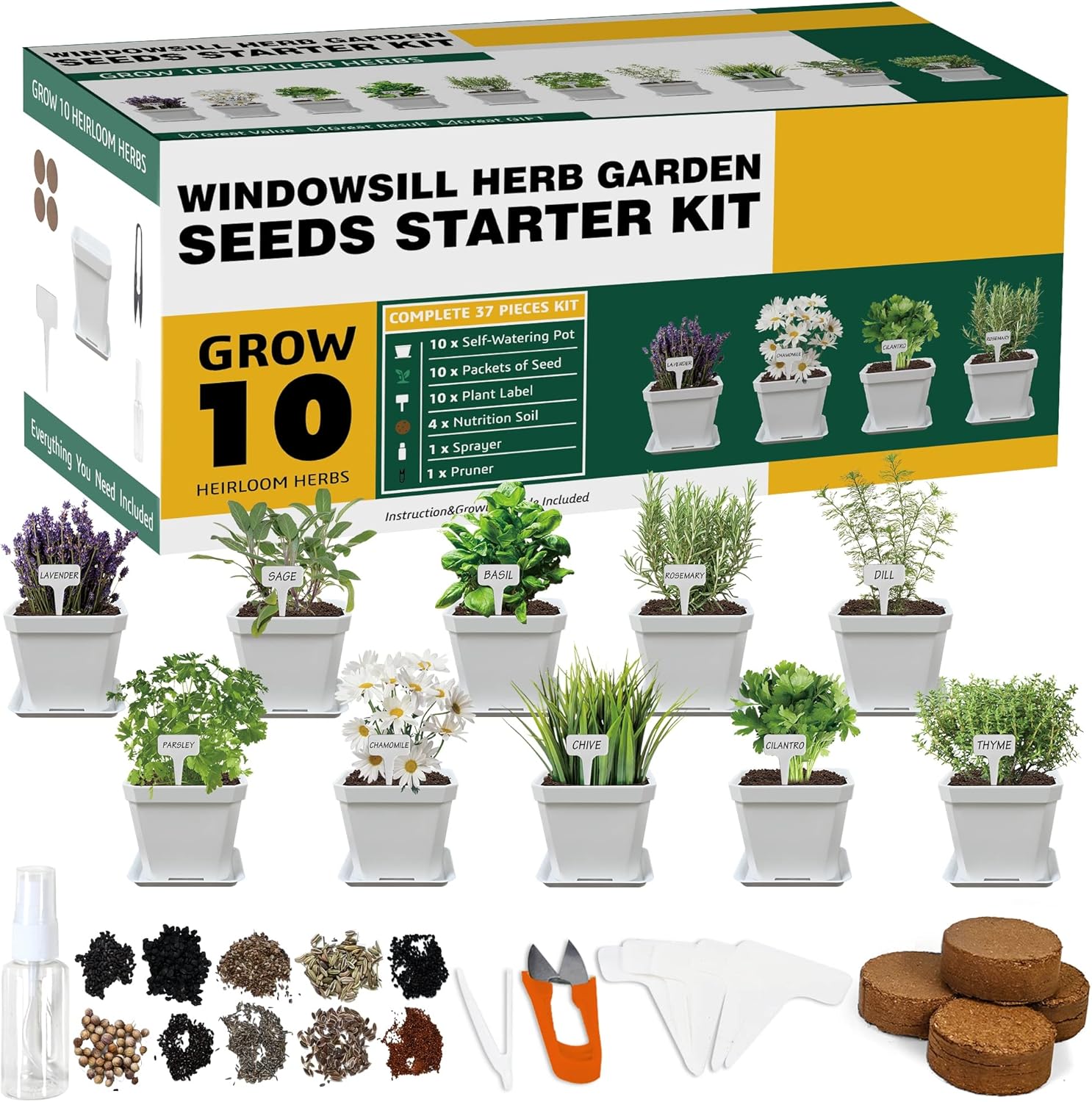
Practical tip: Native trees or berry bushes usually cost $20–50 at local nurseries. Early spring or mid-fall are the best planting windows. Write the date and everyone’s names on a small weatherproof tag and attach it to the trunk or stake.
8. Host a Series of “One Country, One Night” Dinners
Once a month, pick a country none of you have visited. Find one simple main dish, one side, and one dessert. Shop together, cook together, and eat by candlelight with a quiet playlist from that place. No phones at the table. Talk about what surprised you in the flavors.
This turns an ordinary kitchen into a kind of passport. Kids learn a little geography through taste. Parents get to cook without the pressure of making everything perfect. Over a year these dinners become a private tradition that feels bigger than the recipes.
Practical tip: Keep each meal under $40 by using simple, seasonal ingredients. The first Friday or Saturday of the month works well as a rhythm. Make a paper “passport” that each person stamps after every country night.
9. Take an Entire Day of Unplanned Wandering
Pick a direction, pack a cooler, and leave with no reservations and no fixed plan. Stop whenever something looks interesting—a roadside farm stand, a small museum, a trailhead, a town square with a fountain. Let the family vote on the next turn. End wherever the day naturally ends.
Modern life is usually over-scheduled. An unplanned day brings back the feeling that the world still holds surprises. Kids practice making decisions. Parents practice letting go of control. The best stories almost always come from the stops you never meant to make.
Practical tip: Gas and simple picnic food keep costs low. Late spring through early fall gives the most daylight. Designate one person each hour as the official “noticer” whose only job is to point out something beautiful or strange.
10. Write and Perform a Short Family Play or Story
Spend two or three evenings inventing a simple story that includes every family member as a character. Write a few scenes, make basic costumes from what you already own, and perform it once in the living room or backyard—for no audience, or for grandparents on a video call. Record it if you want, but the live version is what matters.
This one requires imagination, teamwork, and a willingness to look a little silly together. It’s pure creative play with no outside goal. Years later the memory of who played which role and how the plot went sideways will still make everyone laugh.
Practical tip: Costs nothing if you use household items. Consecutive weekend evenings work best so the energy stays up. Print a single program with everyone’s name and the date, then keep that program in the family storybook.
 |
| 10 Unforgettable Family Experiences |
Begin the Year Your Family Will Still Talk About Decades from Now
These experiences won’t wait for perfect timing. Perfect timing is mostly a story we tell ourselves while we stay on the couch. What waits is the ordinary Tuesday when someone says, “Remember when we…” and the whole room softens with the same memory.
Open your calendar today. Choose one experience. Put a real date next to it. Tell the rest of the family at dinner. That single step turns a family bucket list of unique life experiences from a hopeful page into the first page of a story you actually get to live.
You don’t need more time. You need one protected weekend and the decision to start. Begin now, while the year still has room to become something you’ll all remember.
🎈 You Might Also Like 🎈
Family Summer Bucket List: Fun Activities for Kids, Teens & Adults
Post a Comment